
Not all golf equipment is equally important. A lot of beginners overspend on fancy clubs or gadgets, but in reality, only a few items truly make a difference in your game. The key idea is simple: buy gear that improves consistency, comfort, and learning speed — not just appearance or brand name.
Below is a clear breakdown of what golf gear is actually worth your money and what is optional.
1. Golf Clubs (Most Important Investment)
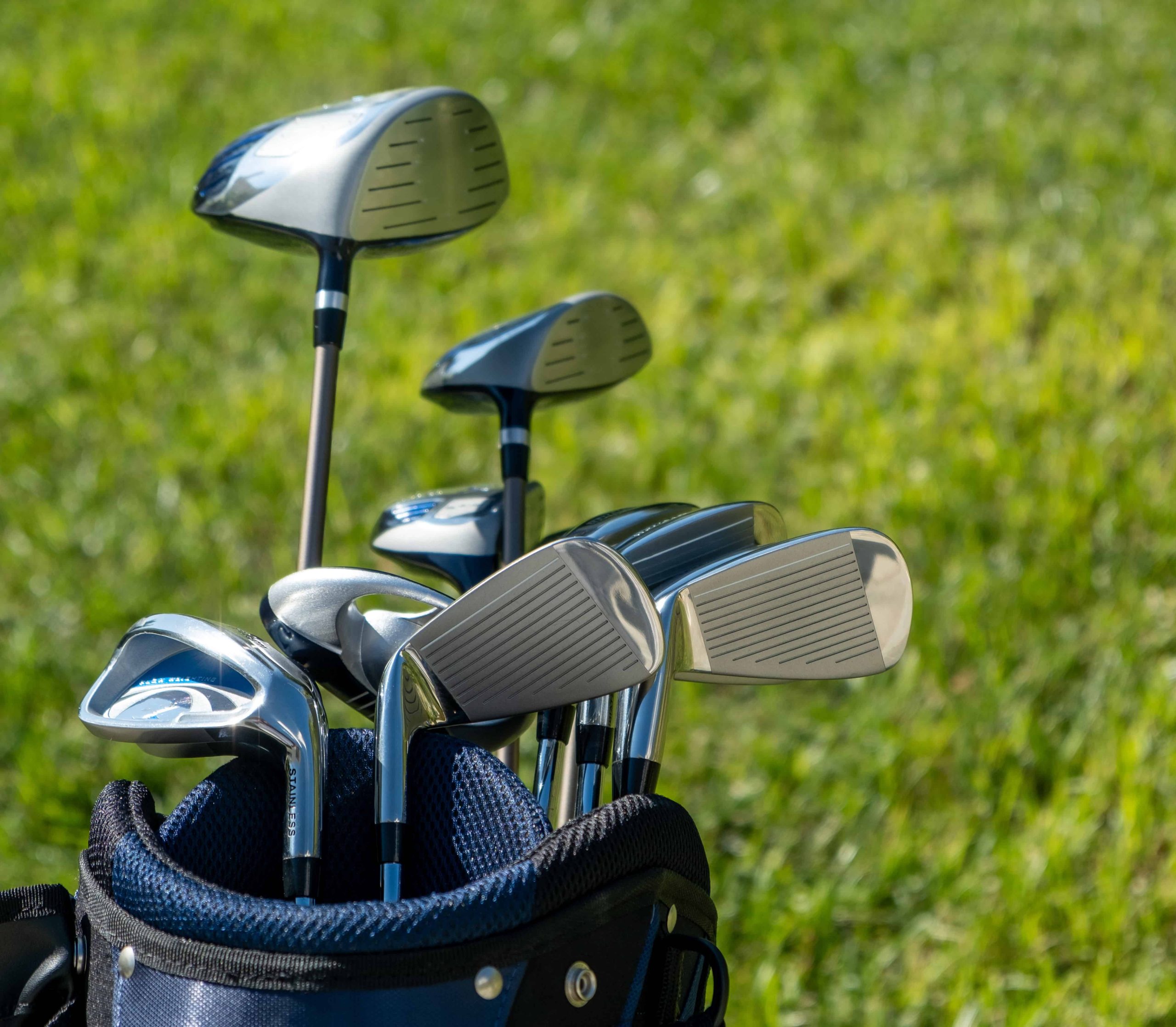
Your clubs matter the most, but you don’t need expensive ones to start.
What is worth buying:
- A forgiving beginner or game-improvement set
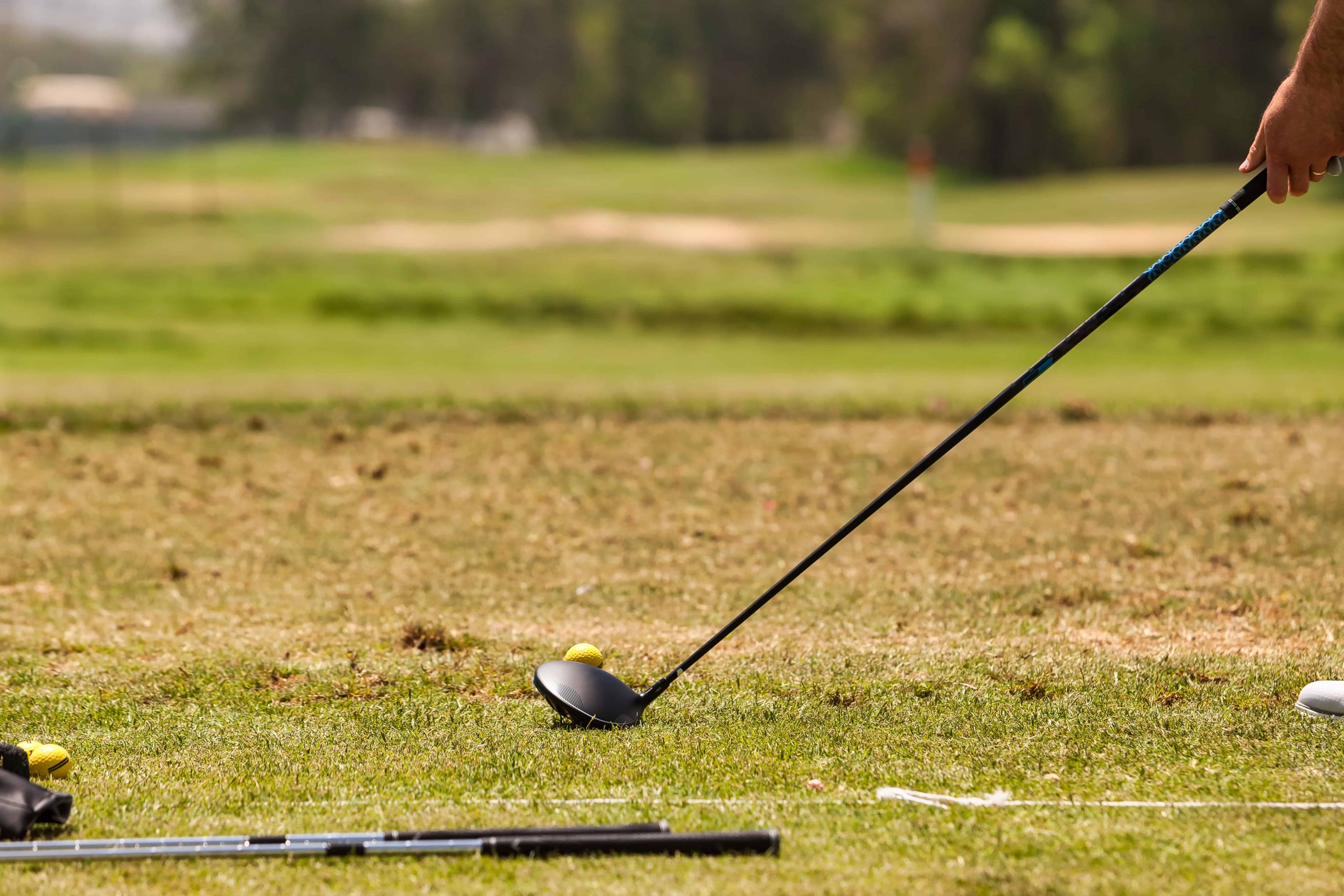
- Driver with a large sweet spot
- Hybrid instead of difficult long irons
- Cavity-back irons for easier ball striking
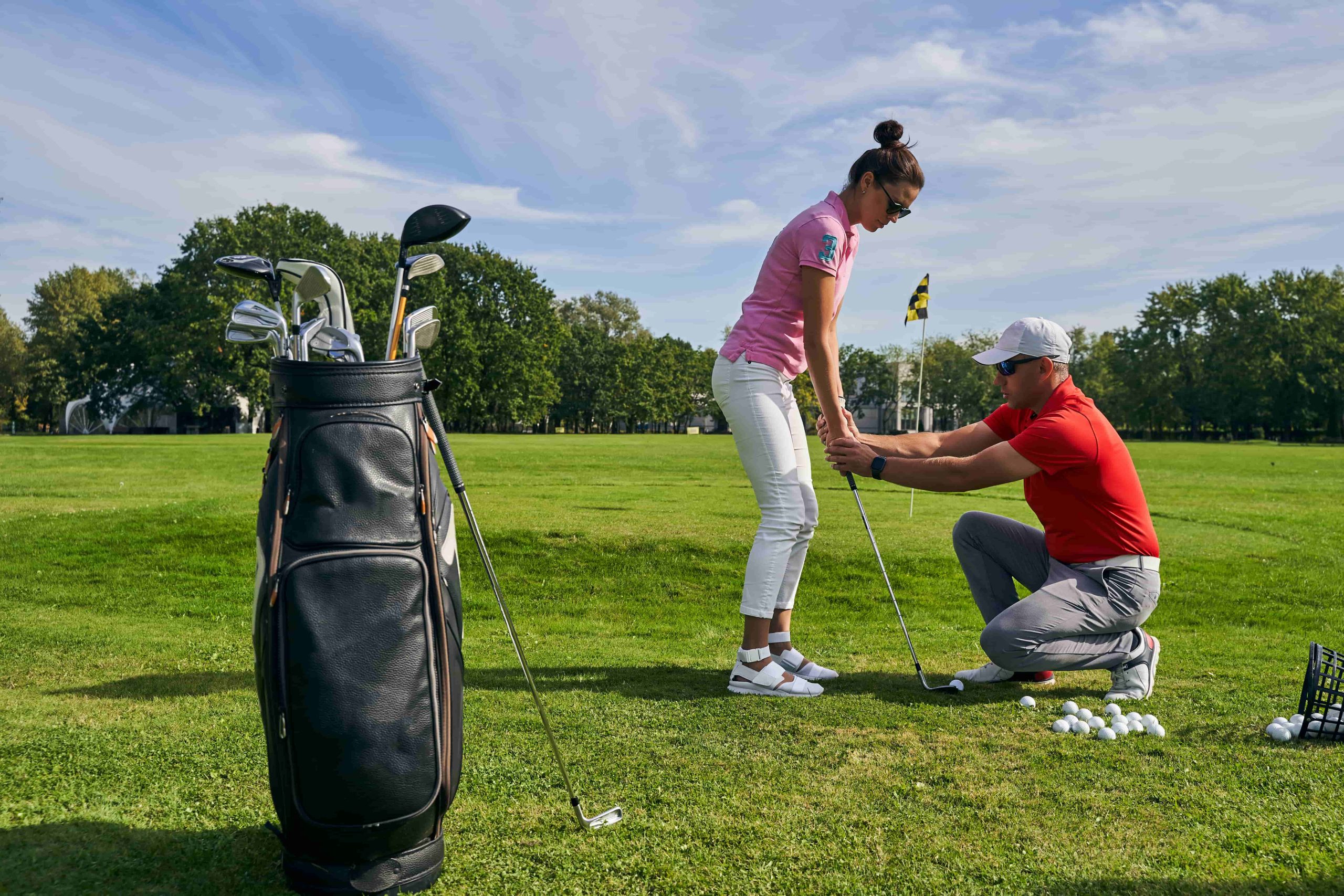
For beginners, a complete set is usually better than buying individual premium clubs. Research shows beginners improve faster with forgiving, simplified club sets instead of complex professional-level gear.
Verdict: Worth investing in, but budget or mid-range is enough for most players.
2. Golf Balls (More Important Than People Think)
Golf balls are one of the most underrated pieces of equipment.
What is worth buying:
- Affordable distance balls for beginners
- Soft 2-piece balls for easier control
- Durable balls (you will lose many early on)
Beginners are advised to avoid premium tour-level balls because they won’t benefit from extra spin control yet.
Verdict: Yes, but start cheap. Expensive balls are not necessary early on.
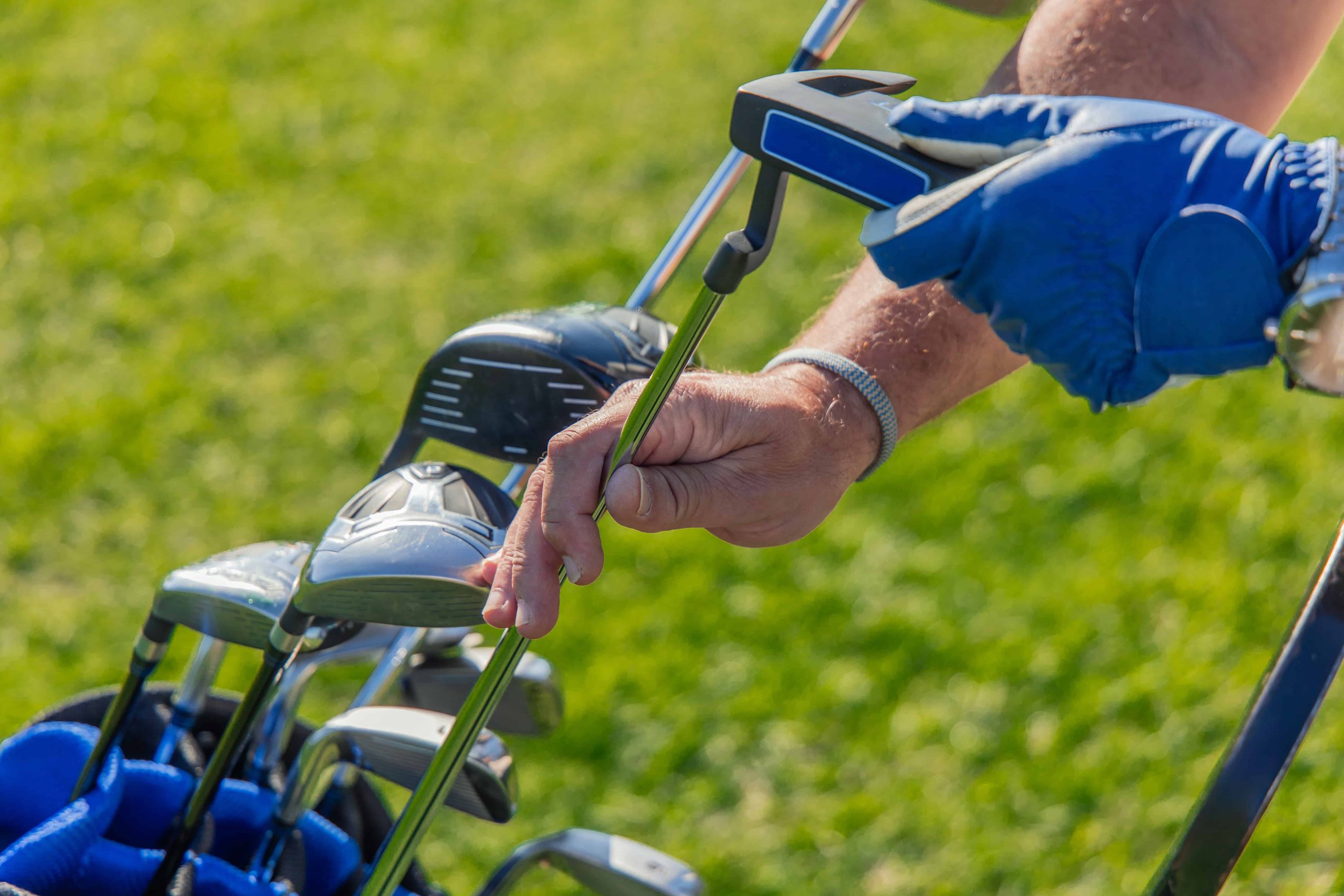
3. Golf Glove (Small Cost, Big Impact)
A glove is one of the best value accessories in golf.
What is worth buying:
- A properly fitted glove
- Breathable material for comfort
- At least one spare glove
A glove improves grip and control significantly and helps prevent slipping during the swing.
Verdict: Absolutely worth it.
4. Golf Shoes (Worth It If You Play Regularly)
Shoes improve stability, balance, and swing control.
What is worth buying:
- Waterproof golf shoes if you play outdoors often
- Spiked shoes for grip or spikeless for comfort
- Proper fit (more important than brand)
Good footwear improves swing stability and reduces fatigue during long rounds.
Verdict: Worth it if you play regularly; optional for casual range practice.
5. Golf Bag (Essential Convenience Item)
A golf bag is not optional if you’re playing on a course.
What is worth buying:
- Lightweight stand bag
- Enough compartments for balls, tees, and accessories
- Comfortable straps for carrying
A well-designed bag improves organization and makes walking the course easier.
Verdict: Essential.
6. Training Aids (Worth It for Faster Improvement)
Some training tools actually help you improve faster.
What is worth buying:
- Alignment sticks for swing direction
- Putting mirror for green practice
- Simple swing path trainers
Training aids can significantly improve consistency when used correctly.
Verdict: Worth it if you practice regularly.
7. Rangefinder or GPS (Optional but Helpful)
These tools measure distance to the target.
What is worth buying:
- Budget laser rangefinder
- GPS watch or app for yardages
They help with club selection and course management, but are not necessary for beginners.
Verdict: Helpful but not essential.
8. Accessories (Low Cost, High Value)
Small items that improve convenience and maintenance:
Worth buying:
- Tees
- Golf towel
- Ball markers
- Divot repair tool
- Club brush
These are inexpensive but improve overall playing experience and etiquette.
Verdict: Cheap but essential.
What Golf Gear Is NOT Worth Overpaying For
Many golfers waste money on items that don’t improve performance:
Avoid overspending on:
- Ultra-premium golf balls (for beginners)
- Expensive drivers early in your journey
- High-end putters before your stroke is consistent
- Smart gadgets and launch monitors (unless serious player)
In most cases, skill improvement matters far more than equipment upgrades.
Final Verdict
The best golf gear investment strategy is simple:
Worth buying:
- Beginner-friendly clubs
- Golf balls (budget to mid-range)
- Golf glove
- Golf bag
- Shoes (if you play regularly)
- Basic accessories
- Simple training aids
Optional:
- Rangefinder
- GPS devices
- Premium branded equipment
Not worth it early on:
- Tour-level balls
- Expensive clubs before skill development
- High-tech gadgets without consistent practice
Simple Rule to Remember
If it helps you hit the ball more consistently, learn faster, or feel comfortable playing, it is worth buying.
If it only adds prestige or looks advanced but does not improve your basics, it can wait.
Golf improves more from practice and consistency than from expensive gear — equipment should support your game, not define it.