
Choosing the right golf course can have a big impact on your enjoyment, learning curve, and overall performance. Not all golf courses are designed for the same type of player. Some are beginner-friendly and forgiving, while others are highly technical and meant for experienced golfers.
Understanding your skill level, goals, and playing style will help you pick the right course and improve your game faster.
1. Beginner-Friendly Courses
If you are new to golf, you should start with a course that is forgiving and less intimidating.
What to look for:
- Wide fairways
- Shorter yardage
- Fewer water hazards and bunkers
- Flat terrain with simple layouts
- Par 3 or executive courses
Why it helps:
Beginner courses allow you to focus on:
- Learning basic swing mechanics
- Building confidence
- Understanding course rules and flow
- Enjoying the game without pressure
These courses reduce frustration and help you develop consistency.
2. Intermediate-Level Courses
Once you have basic control of your swing, you can move to more balanced courses.
What to expect:
- Moderate-length holes
- Some hazards (bunkers, water, trees)
- Slight elevation changes
- More strategic shot placement
Why it’s ideal:
- Improves decision-making skills
- Challenges accuracy and distance control
- Teaches course management
- Prepares you for advanced play
This level helps bridge the gap between beginner and competitive golf.
3. Advanced or Championship Courses
These courses are designed for experienced golfers and professionals.
Features:
- Long yardage (7,000+ yards often)
- Narrow fairways
- Deep bunkers and water hazards
- Fast and undulating greens
- Demanding tee shot accuracy
Examples of elite-level venues:
Courses like Augusta National and other championship setups are built to test every aspect of a golfer’s skill.
Why they are challenging:
- Punish small mistakes heavily
- Require advanced shot shaping
- Demand strong mental focus
- Require experience in course strategy
These courses are best suited for low-handicap players.
4. Executive and Par-3 Courses
These are shorter courses designed for quick rounds and practice.
Features:
- Mostly par-3 holes
- Short distances
- Faster rounds (1–2 hours)
- Easier layouts
Why they are useful:
- Perfect for beginners
- Great for short game practice
- Ideal for limited time
- Helps improve putting and chipping
Even experienced players use them to refine accuracy.
5. Links Courses (Coastal Style)
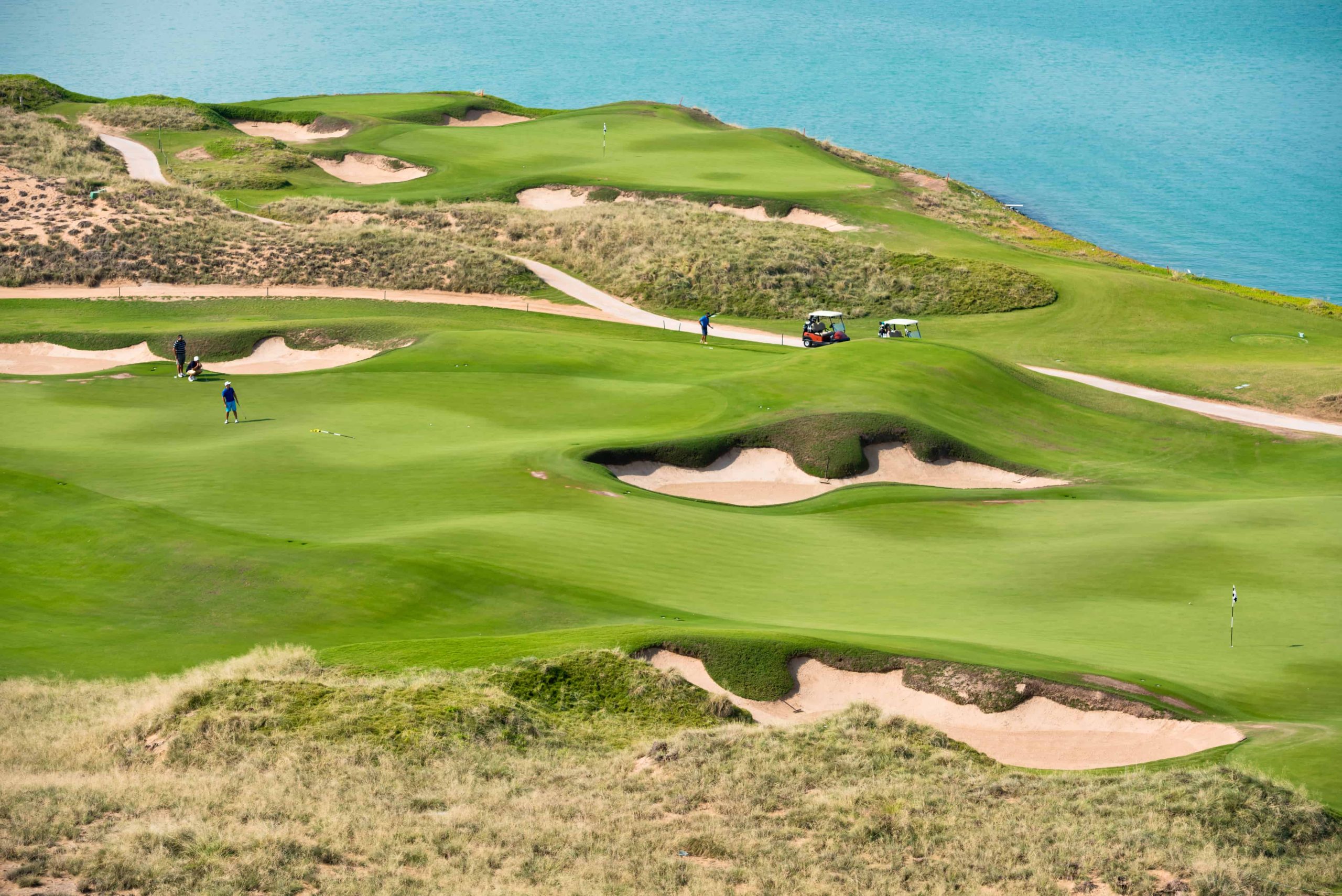
Links courses are traditional coastal golf courses, often found near oceans.
Features:
- Natural terrain and sand dunes
- Strong wind conditions
- Firm fairways
- Fewer trees, more open layout
Challenges:
- Wind significantly affects shots
- Requires creative shot-making
- Demands adaptability
These courses are ideal for advanced players who enjoy strategic golf.
6. Resort Courses
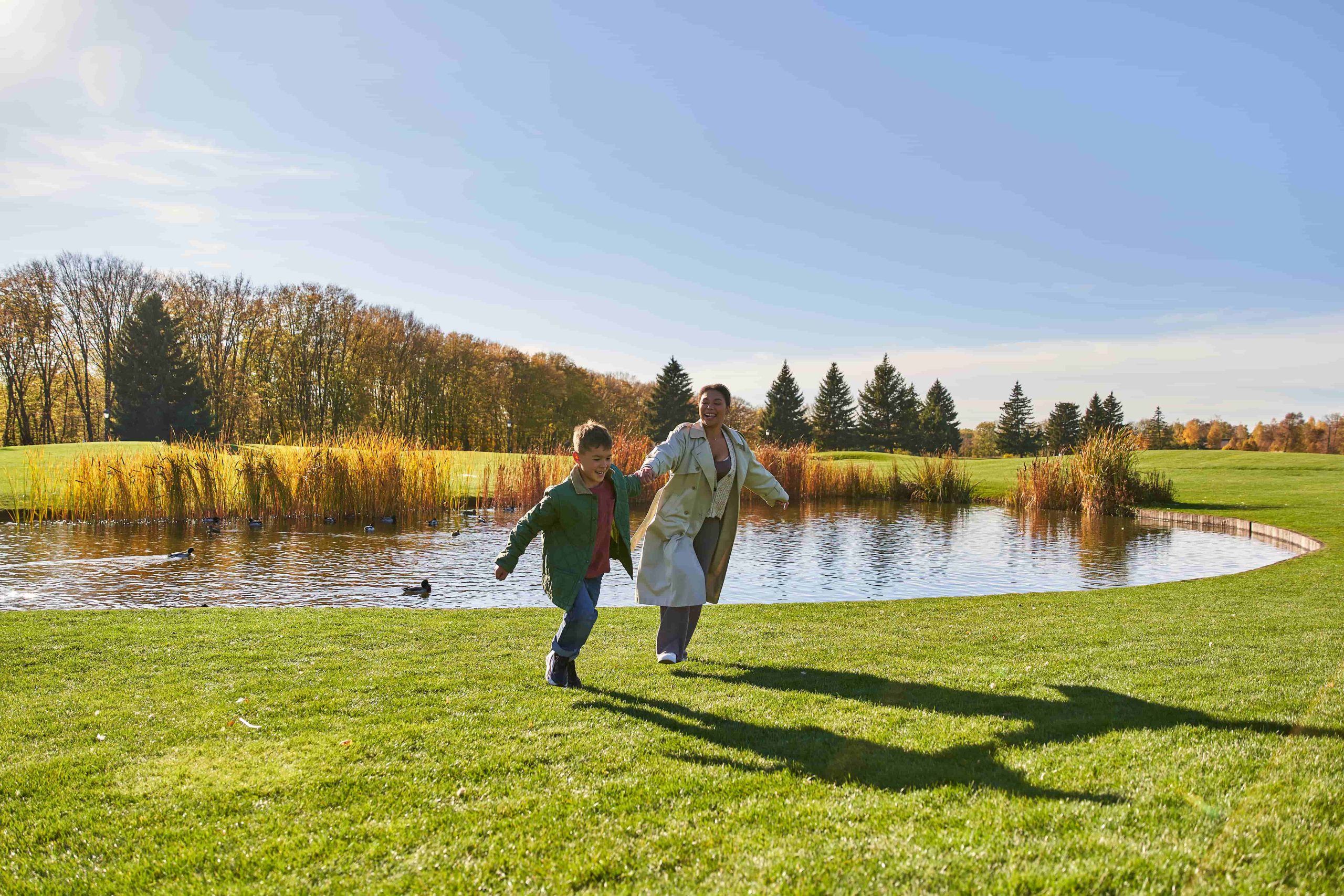
Resort courses are designed for leisure and enjoyment.
Features:
- Beautiful scenery
- Moderate difficulty
- Well-maintained fairways
- Friendly atmosphere
Why people choose them:
- Relaxed playing experience
- Great for vacations
- Suitable for all skill levels
- Focus on enjoyment rather than competition
These are ideal for casual golfers or social play.
7. Choosing Based on Skill Level
Beginner:
- Par 3 or executive courses
- Wide fairways and simple layouts
Intermediate:
- Standard public courses
- Balanced difficulty with hazards
Advanced:
- Championship-level courses
- Tight fairways and complex greens
Matching your skill level prevents frustration and supports steady improvement.
8. Choosing Based on Your Goals
Your goal also determines the right course.
If your goal is learning:
- Choose beginner-friendly or executive courses
If your goal is improvement:
- Choose intermediate courses with hazards
If your goal is challenge:
- Play advanced championship courses
If your goal is relaxation:
- Resort or scenic courses are best
9. Important Factors Before Choosing a Course
Consider these before booking:
- Course length
- Difficulty rating
- Weather and wind conditions
- Course maintenance quality
- Your current skill level
- Time available for play
A well-matched course leads to a better experience and faster learning.
10. Common Mistakes Golfers Make
Avoid these mistakes when choosing a course:
- Playing overly difficult courses too early
- Ignoring course layout and hazards
- Choosing based only on price
- Not considering walking distance or fatigue
- Playing without understanding course rules
The right environment can make golf more enjoyable and productive.
Final Thoughts
The best golf course for you depends on your experience, confidence, and goals. There is no “one perfect course” for everyone.
Simple guide:
- Beginners should focus on learning and comfort
- Intermediate players should focus on control and strategy
- Advanced players should seek challenge and precision
In simple terms:
The right golf course is the one that matches your current skill level while still helping you grow.
Choosing wisely will make your game more enjoyable, reduce frustration, and improve your progress over time.