- May 4, 2026
- Admin_GolfSlick
- 0
Starting golf can feel overwhelming because of the equipment, rules, and techniques. But in reality, golf becomes much easier when you approach it step by step. You don’t need perfect skills or expensive gear to begin—you just need the right starting plan.
This guide explains exactly how to start playing golf as a complete beginner in a simple, practical way.
1. Understand the Goal of Golf First
Before learning anything technical, understand what golf is about.
Simple idea:
- Hit the ball from tee to hole in as few shots as possible
- Avoid mistakes and penalties
- Improve consistency over time
Key mindset:
Golf is not about power—it is about control, patience, and repetition.
2. Start With Basic Equipment (Don’t Overbuy)
You don’t need a full professional set on day one.
Basic beginner setup:
- 1 driver
- 1–2 irons (like 7-iron and 9-iron)
- 1 wedge
- 1 putter
- Golf balls and tees
Optional:
- Beginner half-set or starter package
Why this matters:
Fewer clubs make learning easier and less confusing.
3. Learn the Basic Golf Grip
Your grip is your first real skill.
What to do:
- Hold club in fingers, not deep in palm
- Keep hands relaxed
- Use a neutral grip position
Common mistake:
Squeezing the club too tightly.
Goal:
Comfortable grip that allows natural movement.
4. Learn Proper Setup and Posture
Good posture makes swinging easier.
Basic setup:
- Feet shoulder-width apart
- Slight knee bend
- Hinge from hips
- Arms hanging naturally
Why it matters:
A correct setup improves balance and contact.
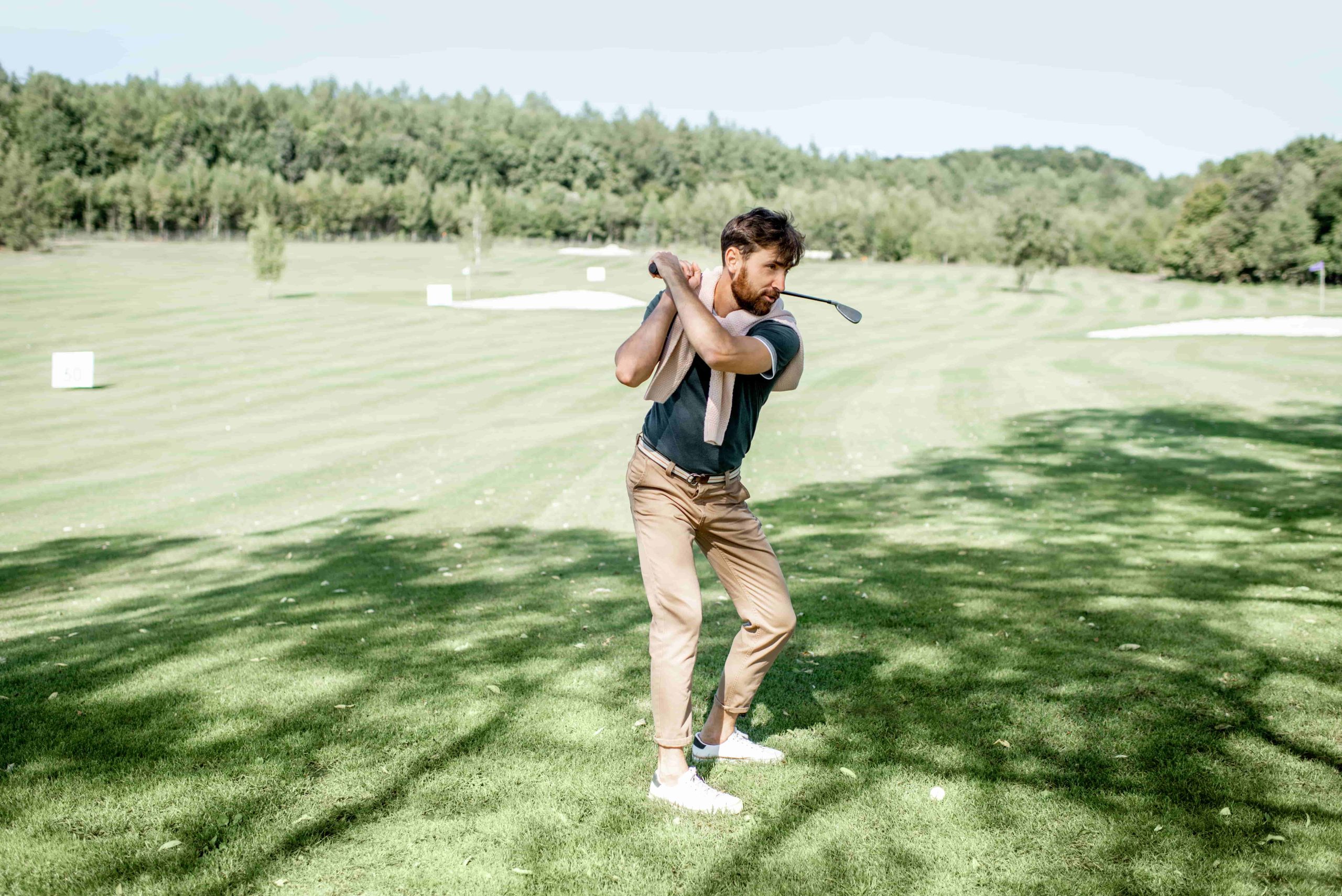
5. Start With Small Practice Swings
Do not start with full power shots.
Begin with:
- Half swings
- Slow motion practice
- Focus on balance
Goal:
Learn control before distance.
6. Practice at a Driving Range First
A driving range is the best place for beginners.
What to do:
- Hit 7-iron or mid irons first
- Focus on contact, not distance
- Practice consistent swing rhythm
Why it helps:
No pressure, no course rules—just learning.
7. Learn Basic Short Game Early
Short game is easier and very important.
Practice:
- Chipping near the green
- Simple putting strokes
- Short distance control
Why it matters:
Most shots in golf happen near the green.
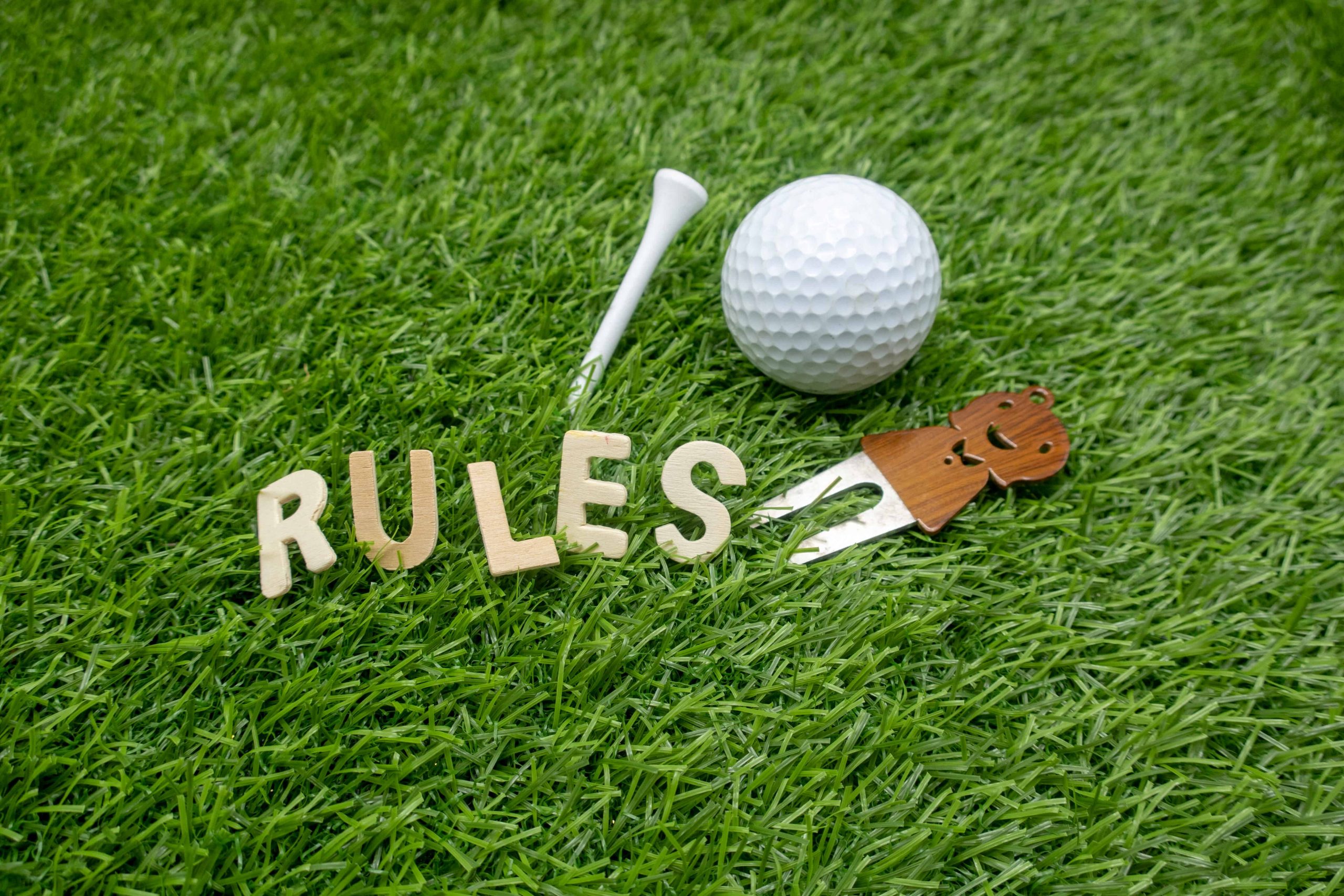
8. Understand Basic Rules and Etiquette
You don’t need all rules—just basics.
Must-know:
- Play ball as it lies
- Take turns properly
- Count every stroke
- Respect other players
Why it matters:
Helps you feel comfortable on a real course.
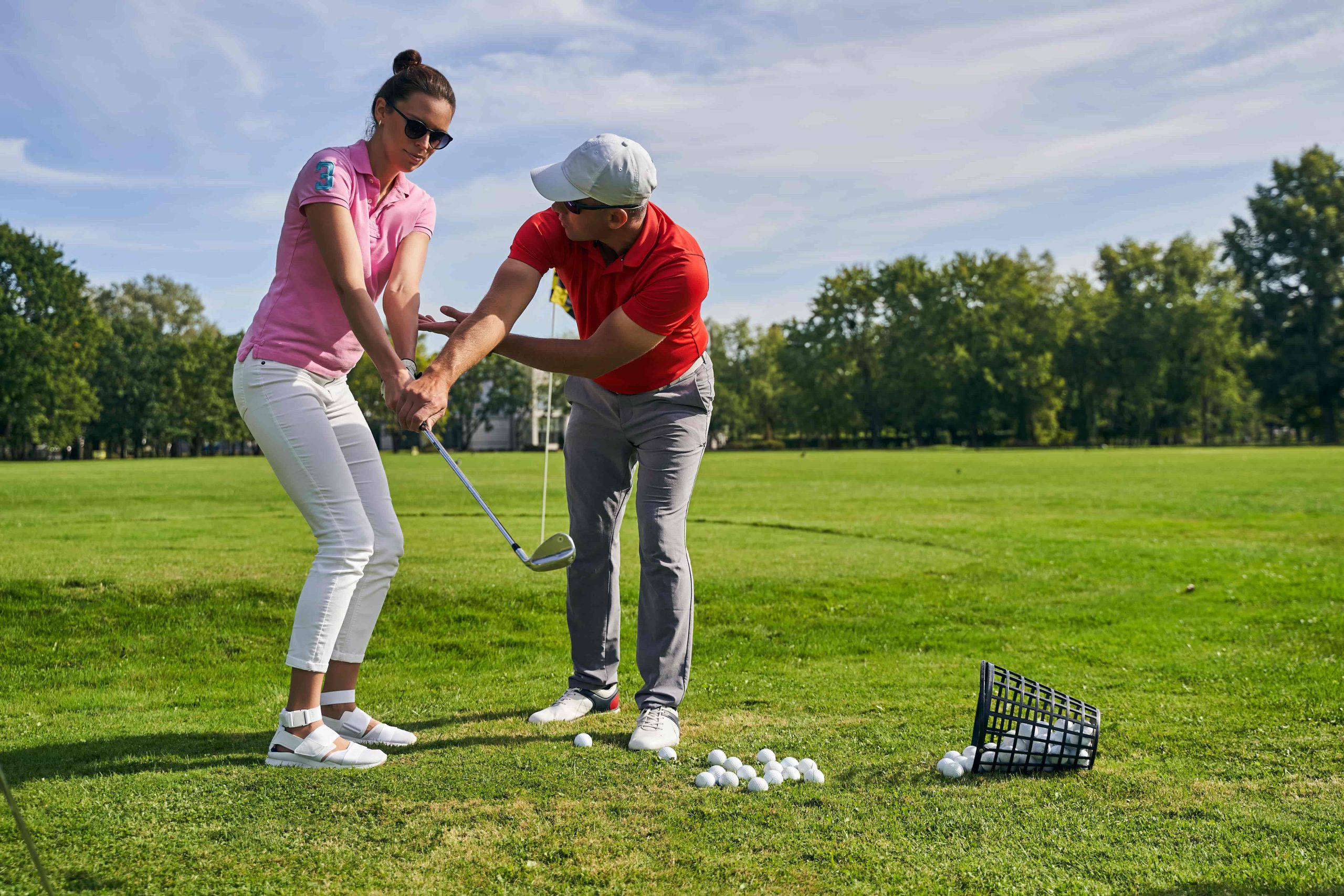
9. Take Your First Lesson (Highly Recommended)
A professional lesson speeds up learning.
What you’ll learn:
- Correct grip and posture
- Basic swing mechanics
- Common mistakes correction
Why it helps:
You avoid developing bad habits early.
10. Play a Short Course First
Don’t jump into a full 18-hole championship course.
Start with:
- Par 3 courses
- Beginner-friendly courses
- Short rounds
Why:
Less pressure, more learning experience.
11. Focus on Consistency, Not Power
Beginners often try to hit the ball too hard.
Better approach:
- Smooth swing
- Balanced finish
- Controlled motion
Rule:
Accuracy beats distance in early stages.
12. Practice Regularly (Even Short Sessions)
You don’t need long practice sessions.
Simple routine:
- 2–3 practice sessions per week
- 30–60 minutes each
- Focus on one skill at a time
Why it works:
Small consistent practice builds faster improvement.
Common Beginner Mistakes
Avoid these early:
- Buying expensive equipment too soon
- Trying to hit too hard
- Ignoring short game practice
- Skipping basic lessons
- Not learning rules or etiquette
Final Thoughts
Starting golf is not about mastering everything at once—it’s about building a simple foundation and improving step by step.
Simple breakdown:
- Start with basic clubs
- Learn grip and posture
- Practice at a driving range
- Focus on short game early
- Take a beginner lesson
- Play easy courses first
In simple terms:
Golf becomes enjoyable when you stop trying to be perfect and start focusing on small, consistent improvements. Once you build confidence in the basics, the game becomes much more fun and natural to play.