- May 4, 2026
- Admin_GolfSlick
- 0
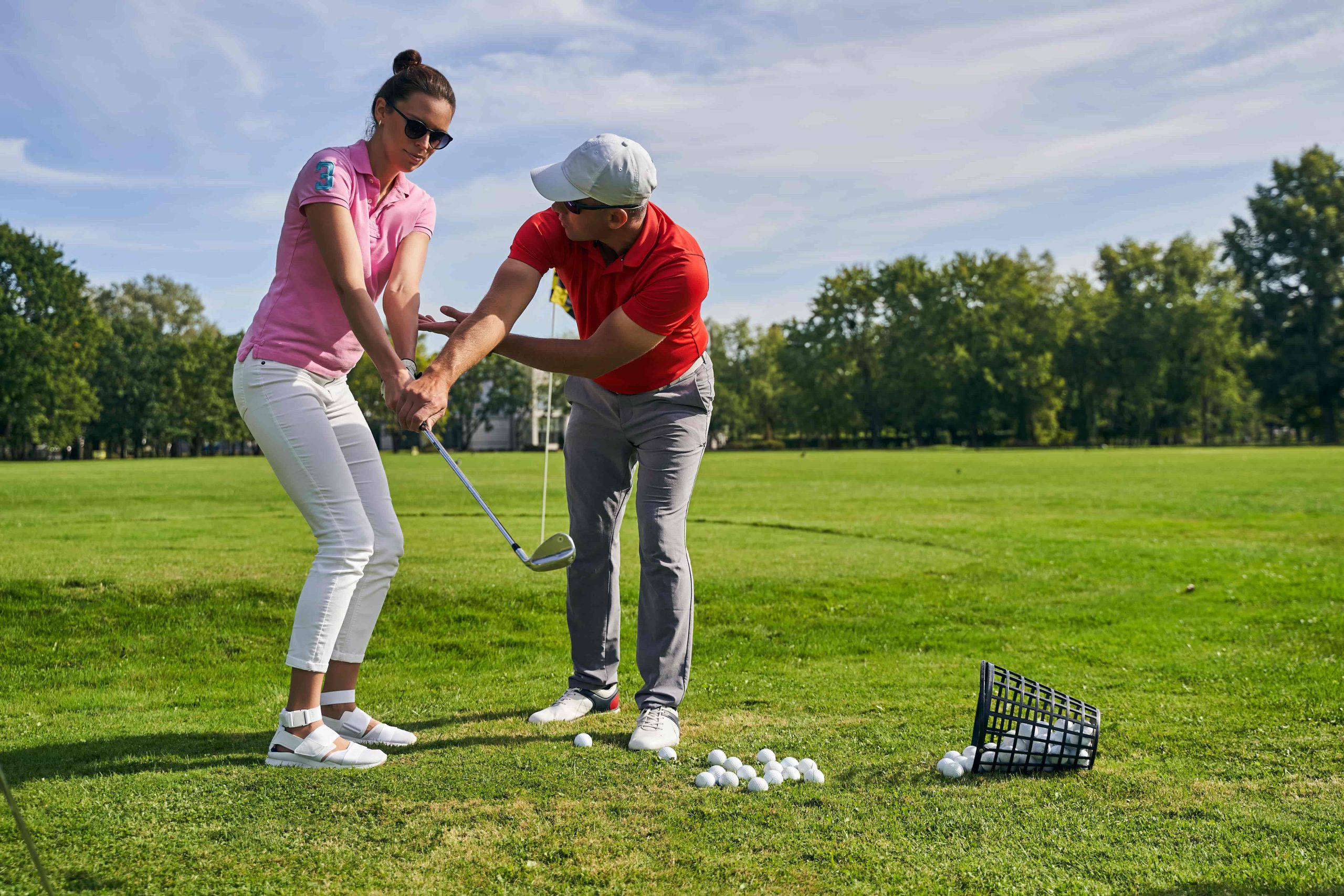
Taking your first golf lesson is an important step, and it’s normal to feel a bit unsure about what will happen. The good news is that beginner lessons are designed to be simple, structured, and focused on helping you build a strong foundation—not overwhelming you with technical details.
A good instructor will guide you step by step through the basics so you can start hitting better shots quickly and confidently.
1. Introduction and Skill Assessment
Your lesson usually begins with a short conversation.
The coach may ask:
- Have you played golf before?
- What are your goals (fun, fitness, competition)?
- Have you used clubs before?
What happens next:
The instructor may watch you hit a few balls to understand:
- Your natural swing style
- Common mistakes
- Coordination and comfort level
Purpose:
This helps the coach customize the lesson to your needs instead of using a one-size-fits-all approach.
2. Learning Basic Setup Position
Before swinging, you’ll learn how to stand correctly.
Key basics:
- Feet shoulder-width apart
- Slight bend in knees
- Straight but relaxed back
- Arms hanging naturally
Why it matters:
Good posture makes it easier to swing the club consistently and avoid injuries.
3. Understanding the Grip
Your instructor will spend time teaching the correct way to hold the club.
What you’ll learn:
- How to place your hands on the grip
- How firm your grip should be
- How grip affects direction and control
Common beginner mistake:
Holding the club too tightly, which restricts movement.
Goal:
A comfortable, neutral grip that allows natural swing motion.
4. Basic Swing Motion (Half Swings First)
You will not start with full swings immediately.
What you’ll practice:
- Short half swings
- Slow motion movements
- Controlled contact with the ball
Focus areas:
- Smooth tempo
- Balance throughout the swing
- Making clean contact
Why it works:
It builds confidence and prevents early bad habits.
5. Hitting Your First Shots
Once basics are in place, you’ll start hitting real shots.
What to expect:
- Shots may not go far at first
- Direction may be inconsistent
- Contact improves gradually
Important point:
Distance is not the goal in your first lesson—solid contact is.
6. Feedback and Small Corrections
Your coach will give real-time feedback after each attempt.
Typical corrections:
- Adjusting stance or posture
- Fixing grip pressure
- Improving swing path
- Correcting balance
Why it matters:
Small adjustments create fast improvement when applied consistently.
7. Introduction to Practice Drills
At the end of the lesson, you may learn simple drills.
Examples:
- Slow swing drills for control
- Alignment practice using targets
- Balance exercises after follow-through
Purpose:
These drills help you continue improving outside the lesson.
8. Short Game Introduction (Sometimes Included)
Some instructors introduce basic chipping or putting.
What you might learn:
- Simple chip shots near the green
- Basic putting stance and stroke
- Distance control feel
Why it’s included:
Short game is essential for scoring and easier to learn early.
9. Common Feelings During Your First Lesson
Most beginners experience:
- Feeling awkward at first
- Inconsistent ball striking
- Overthinking movements
- Gradual improvement by the end
Important reminder:
Everyone starts here—even experienced golfers once struggled with the same basics.
10. What You Should Focus On
Your main priorities should be:
- Good posture
- Comfortable grip
- Smooth motion (not power)
- Balance during swing
- Clean contact with ball
What NOT to worry about:
- Distance
- Perfect swing form
- Scoring or accuracy
Final Thoughts
Your first golf lesson is not about becoming a great player in one day—it’s about building a solid foundation that everything else will be built on.
Simple breakdown:
- Setup = posture and alignment
- Grip = control of the clubface
- Swing = smooth motion
- Contact = main goal
- Practice = improvement over time
In simple terms:
Your first lesson is designed to make golf feel easier, not harder. Once you understand the basics, everything else becomes much more natural, and improvement comes faster than most beginners expect.