Golf practice may look low intensity compared to other sports, but it puts a surprising amount of stress on your body. Repetitive swings, long periods of standing, rotational movement, and grip strain can lead to fatigue in the back, shoulders, wrists, and hips.
Recovering properly after practice is important if you want to improve performance, avoid injury, and stay consistent. Here’s a complete guide to recovering quickly after a golf session.
1. Cool Down Immediately After Practice
One of the most overlooked steps is cooling down after hitting balls.
A proper cool down helps:
- Reduce muscle stiffness
- Improve blood circulation
- Prevent delayed soreness
Simple cool down routine:
- Slow walking for 5–10 minutes
- Gentle shoulder rolls
- Light torso rotations
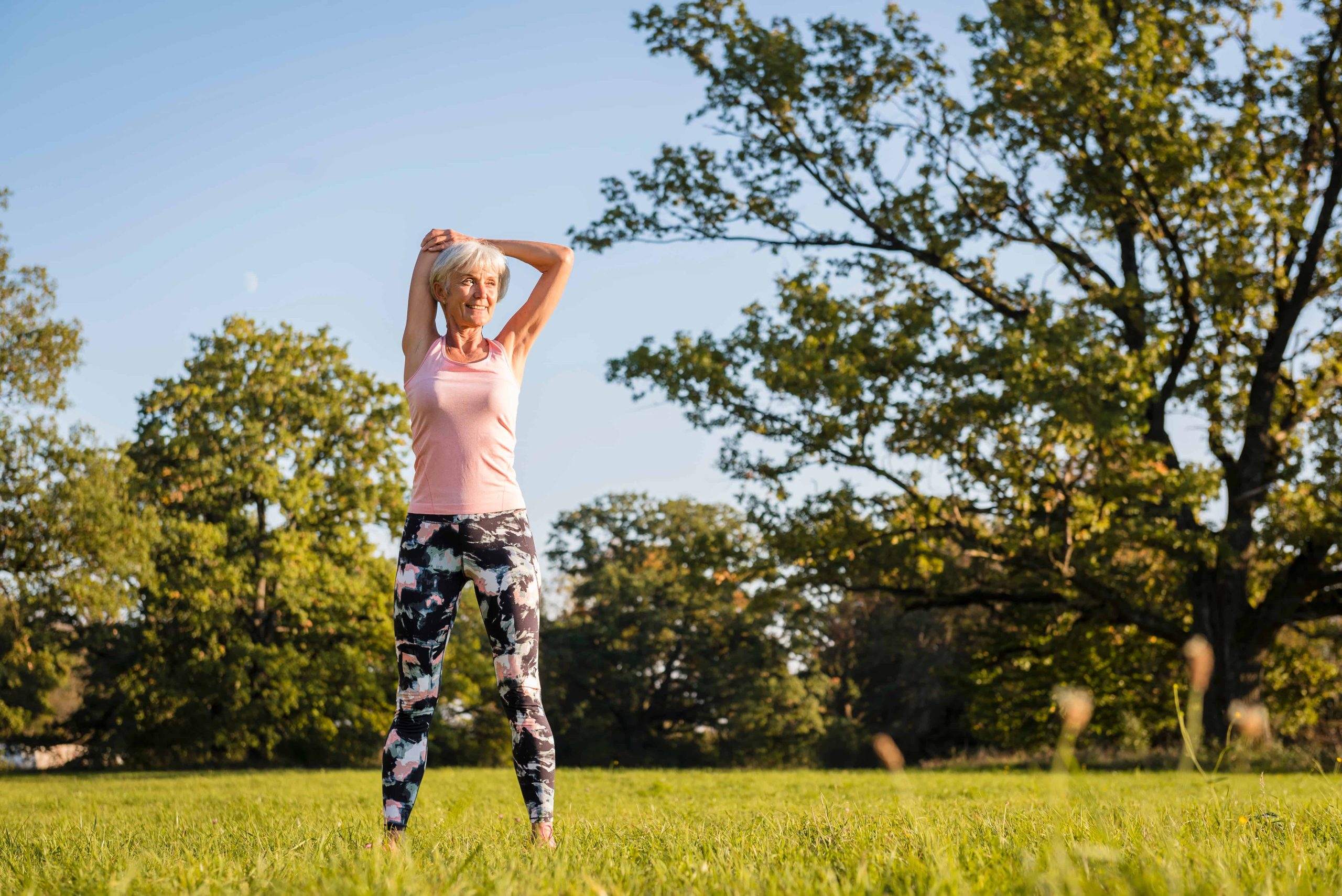
- Easy stretching of arms and lower back
This helps your body transition from repetitive motion to rest mode.
2. Hydrate Properly
Golf practice, especially in warm weather, can cause dehydration without you noticing.
Hydration tips:
- Drink water during practice, not just after
- Replace fluids immediately after finishing
- Add electrolytes if you sweated heavily
- Avoid excessive caffeine right after practice
Even mild dehydration can slow muscle recovery and reduce focus for your next session.
3. Stretch the Key Golf Muscles
Golf uses specific muscle groups repeatedly, especially in the core and upper body.
Focus on stretching:
- Shoulders
- Lower back
- Hips
- Hamstrings
- Wrists and forearms
Simple stretches:
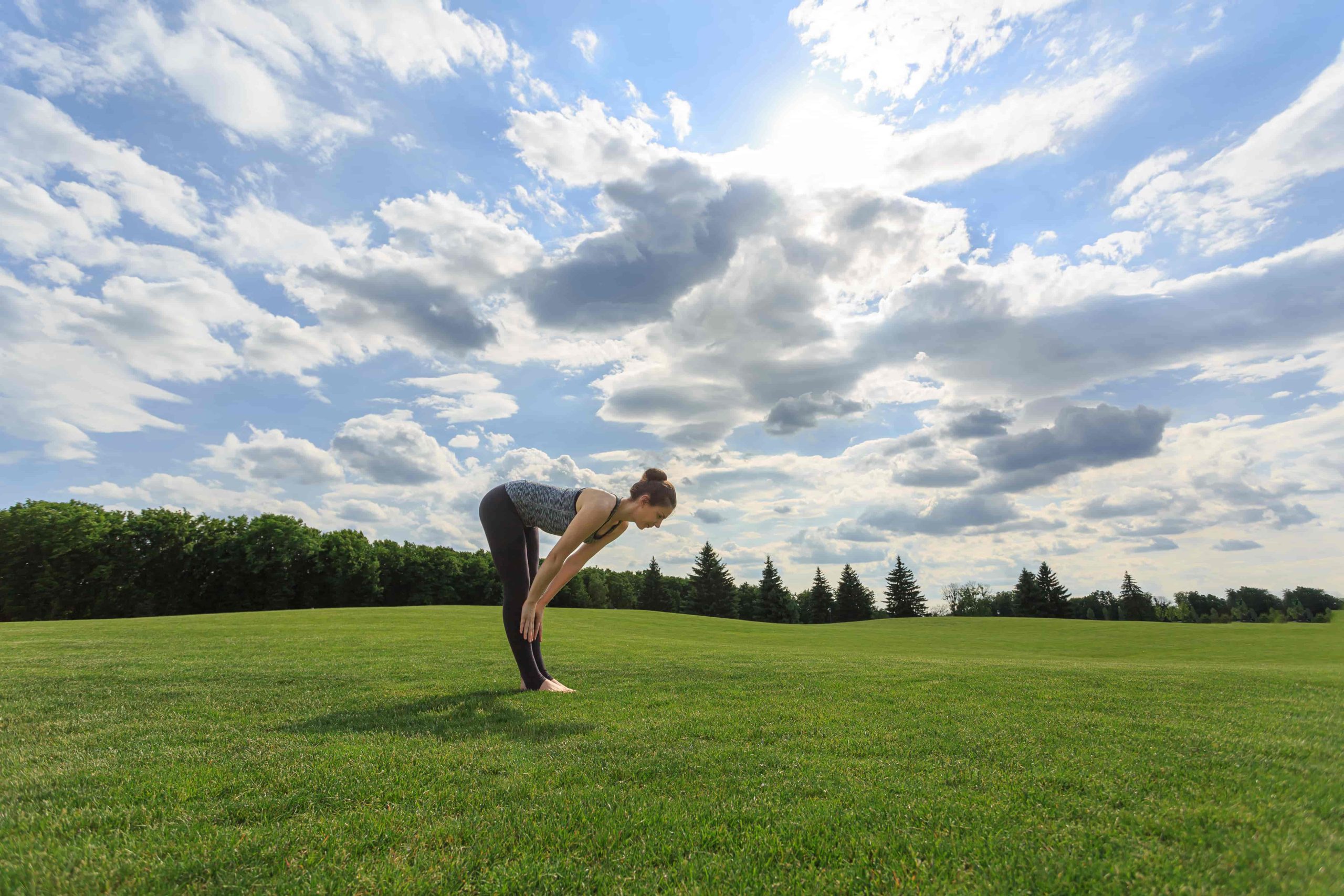
- Standing hamstring stretch
- Cross-body shoulder stretch
- Seated spinal twist
- Wrist flexor and extensor stretch
Hold each stretch for 15–30 seconds without bouncing.
4. Refuel With Proper Nutrition
After practice, your muscles need fuel to recover and rebuild.
Best post-practice nutrition:
- Lean protein (chicken, eggs, yogurt)
- Complex carbohydrates (rice, oats, whole grains)
- Healthy fats (nuts, avocado)
- Fruits for quick energy replenishment
Try to eat within 30–90 minutes after finishing practice for best recovery results.
5. Use Ice or Heat Therapy (When Needed)
If you feel soreness in specific areas, therapy can help.
Ice therapy:
- Best for inflammation or sharp pain
- Use on wrists, elbows, or lower back
Heat therapy:
- Best for muscle stiffness
- Helps relax tight back and shoulders
Alternate based on how your body feels after practice.
6. Light Mobility Work Later in the Day
Recovery doesn’t stop right after practice.
Later in the day, do:
- Gentle stretching
- Foam rolling
- Light yoga movements
This helps prevent stiffness from setting in and improves flexibility for your next session.
7. Rest and Sleep Are Critical
Sleep is the most powerful recovery tool for golfers.
During sleep:
- Muscles repair and rebuild
- Inflammation decreases
- Energy stores are restored
Tips for better recovery sleep:
- Aim for 7–9 hours
- Avoid screens before bed
- Keep your room cool and dark
- Stay consistent with sleep timing
Poor sleep will slow down recovery even if everything else is done correctly.
8. Manage Swing Load and Practice Intensity
Not all practice sessions should be the same intensity.
To avoid overuse:
- Mix light practice days with intense ones
- Avoid hitting too many full-power drivers in one session
- Focus on technique rather than repetition when tired
Overtraining is a common reason golfers feel slow recovery and stiffness.
9. Take Care of Hands, Wrists, and Grip Muscles
Golf heavily stresses grip strength and wrist movement.
Recovery methods:
- Hand stretching after practice
- Massage forearms gently
- Use a soft ball or grip trainer for relaxation
- Avoid tight gripping in daily activities after long sessions
This helps prevent injuries like tendonitis.
10. Listen to Your Body
The fastest recovery method is awareness.
Watch for:
- Persistent soreness
- Decreased swing speed
- Loss of control in shots
- Fatigue in lower back or shoulders
If these appear:
- Reduce practice intensity
- Add extra rest days
- Focus on recovery, not volume
Ignoring early fatigue can lead to long-term injury.
Final Thoughts
Quick recovery after golf practice is not about one single trick—it’s about combining several habits that support your body.
The most effective recovery routine includes:
- Cooling down properly
- Staying hydrated
- Stretching key muscles
- Eating balanced nutrition
- Prioritizing sleep
- Managing practice intensity
When done consistently, these habits will help you:
- Improve performance faster
- Reduce injury risk
- Maintain energy across practice sessions
- Keep your swing consistent and smooth