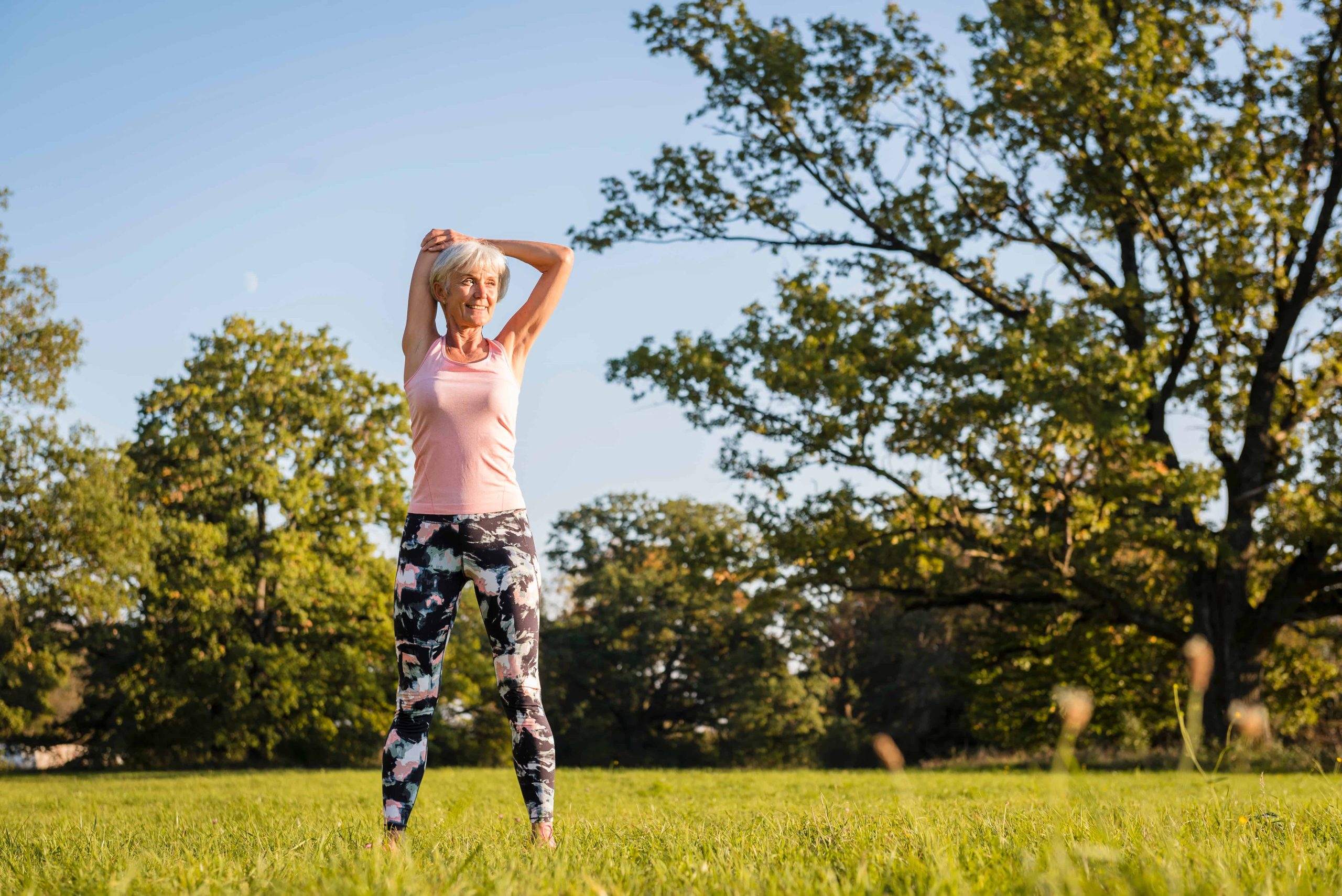

Flexibility is one of the most important but often ignored factors in golf performance. A smooth, controlled swing depends heavily on how freely your body can rotate, especially through the shoulders, spine, and hips. When flexibility is limited, the body compensates, which leads to inconsistent shots, loss of distance, and higher risk of injury.
Improving flexibility does not mean becoming extremely bendy. It means developing enough mobility to allow a natural, repeatable, and efficient golf swing.
Why Flexibility Matters in the Golf Swing
A golf swing is a full-body rotational movement. During a swing, your body needs to:
- Rotate the upper body against the lower body
- Maintain balance throughout movement
- Keep posture stable from start to finish
- Generate controlled power without strain
When flexibility is poor:
- The swing becomes short and restricted
- Timing becomes inconsistent
- The body overuses arms instead of core rotation
- Accuracy and distance both suffer
Better flexibility allows the body to move naturally, improving swing control and consistency.
1. Shoulder Flexibility for a Full Backswing
Shoulders play a key role in the backswing and follow-through.
How it affects your swing:
- Limited shoulder rotation reduces backswing length
- Tight shoulders force early lifting of the arms
- This leads to loss of power and control
How to improve:
- Arm circles before practice
- Cross-body shoulder stretches
- Wall-assisted shoulder rotations
- Light resistance band exercises
Improved shoulder mobility allows a smoother, more complete swing motion.
2. Hip Mobility for Rotation Power
Hips are the engine of the golf swing. They control rotation, balance, and power transfer.
Why hips matter:
- They separate upper and lower body movement
- They create torque for swing power
- They help maintain balance during follow-through
How to improve hip flexibility:
- Deep lunges with rotation
- Hip circles and open-close drills
- Butterfly stretches
- Yoga poses like low lunge and pigeon stretch
Flexible hips lead to more controlled and powerful rotation.
3. Spine Mobility for Smooth Rotation
The spine must rotate smoothly during the swing without strain.
Importance:
- Enables proper turn in backswing and downswing
- Helps maintain posture throughout the swing
- Prevents lower back stress
Exercises to improve:
- Seated spinal twists
- Cat-cow stretch
- Standing torso rotations
- Gentle rotational stretches with a club across shoulders
A mobile spine allows smoother and more controlled swing mechanics.
4. Hamstring Flexibility for Stable Posture
Hamstrings affect your ability to maintain proper golf posture.
Why it matters:
- Tight hamstrings cause bending at the lower back
- This leads to poor swing posture and balance issues
- It reduces consistency in ball striking
How to improve:
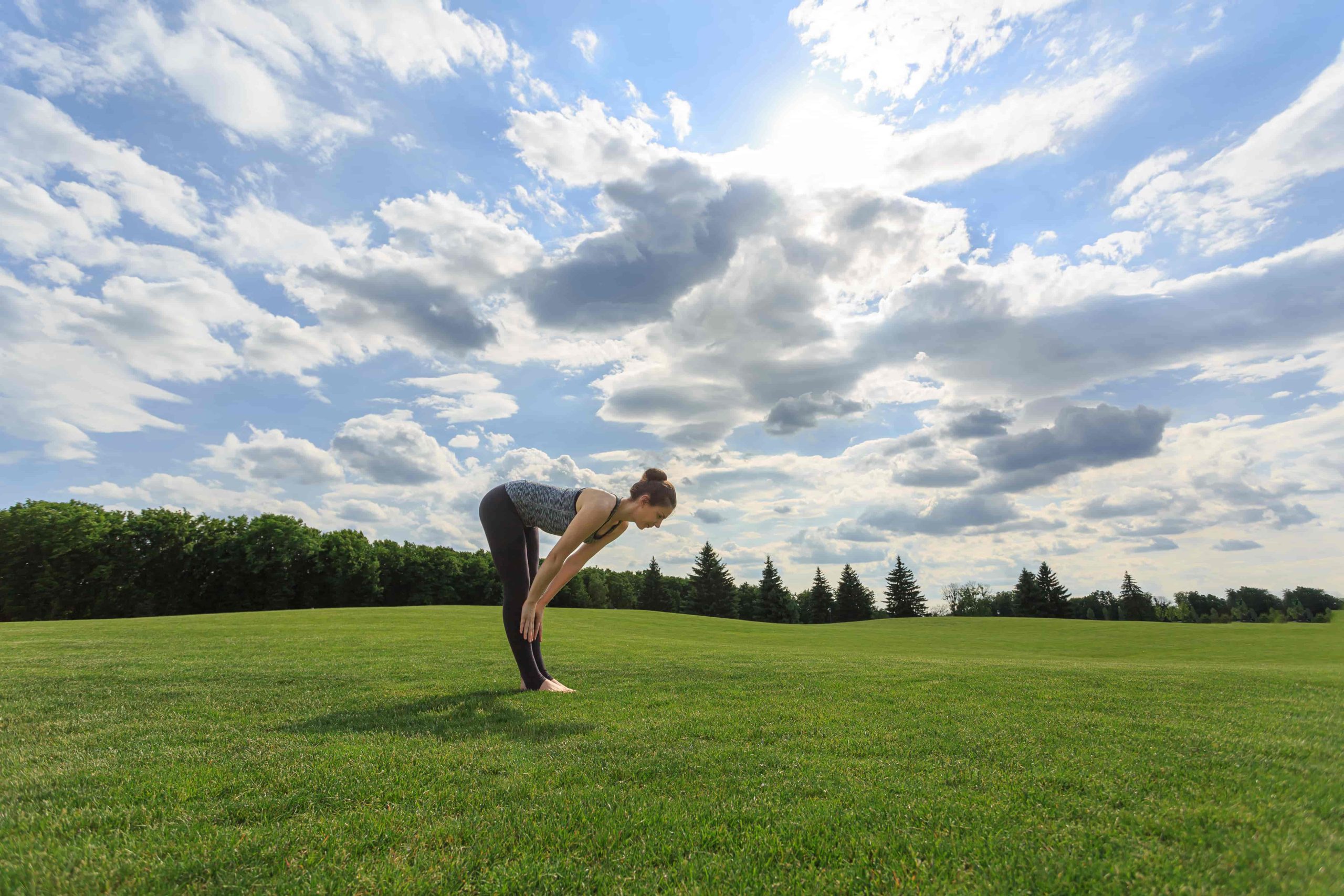
- Standing toe touches (controlled, not forced)
- Seated hamstring stretches
- Downward dog stretch
- Light dynamic leg swings
Flexible hamstrings support a stable and athletic setup position.
5. Wrist and Forearm Flexibility for Club Control
Wrist mobility directly affects clubface control and shot accuracy.
Why it matters:
- Tight wrists limit club hinge and release
- Poor flexibility reduces shot control
- It can lead to strain and injury over time
Exercises:
- Wrist circles in both directions
- Flexor and extensor stretches
- Gentle grip squeezes
- Forearm massage and rolling
Better wrist flexibility improves feel and shot precision.
6. Core Flexibility for Controlled Power
The core is responsible for transferring energy between upper and lower body.
Benefits of flexible core:
- Smoother rotation
- Better balance during swing
- Improved power transfer
How to train it:
- Seated torso rotations
- Side bends
- Plank variations with rotation
- Controlled breathing exercises
A flexible core supports both stability and power generation.
7. Daily Routine to Improve Flexibility
You do not need long workouts. Consistency is more important.
Simple daily routine:
- 5 minutes shoulder mobility
- 5 minutes hip stretches
- 5 minutes spine rotation
- 5 minutes hamstring and lower body stretching
Total: 15–20 minutes daily is enough for noticeable improvement over time.
8. Best Time to Work on Flexibility
Flexibility training works best at specific times:
- Before golf: dynamic stretching only
- After golf: deeper static stretching
- Rest days: full flexibility routine or yoga session
- Morning: light mobility to wake up the body
Avoid forcing deep stretches when muscles are cold.
Common Mistakes to Avoid
Many golfers try to improve flexibility the wrong way.
Avoid:
- Bouncing during stretches
- Forcing deep range too quickly
- Ignoring pain signals
- Only stretching once in a while
- Skipping warm-up before stretching
Flexibility improves gradually, not instantly.
Final Thoughts
Improving flexibility is one of the most effective ways to gain better swing control in golf. It enhances every part of the motion, from backswing to follow-through.
Key benefits include:
- Fuller and smoother swing
- Better balance and posture
- Improved shot consistency
- Reduced risk of injury
- More efficient power transfer