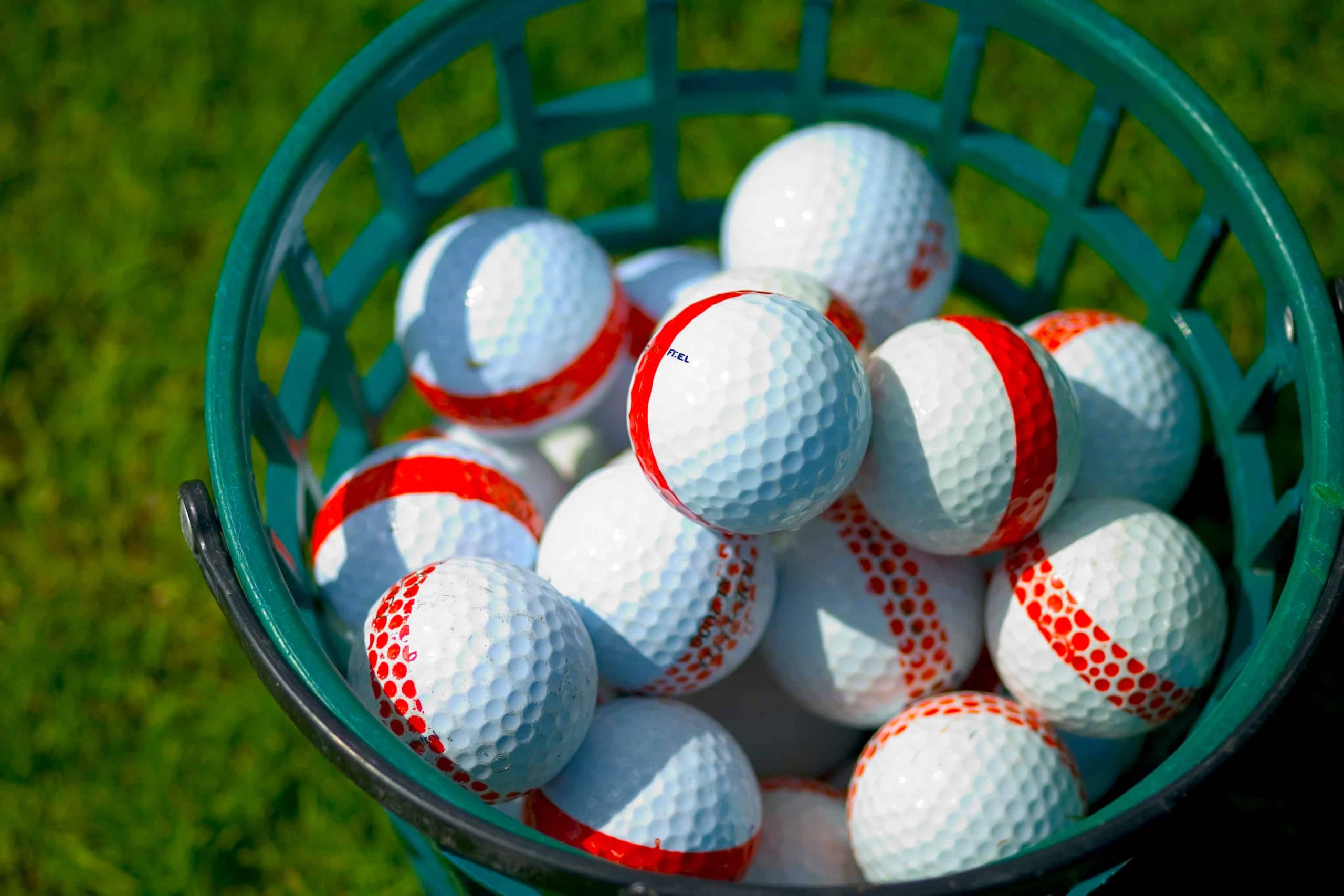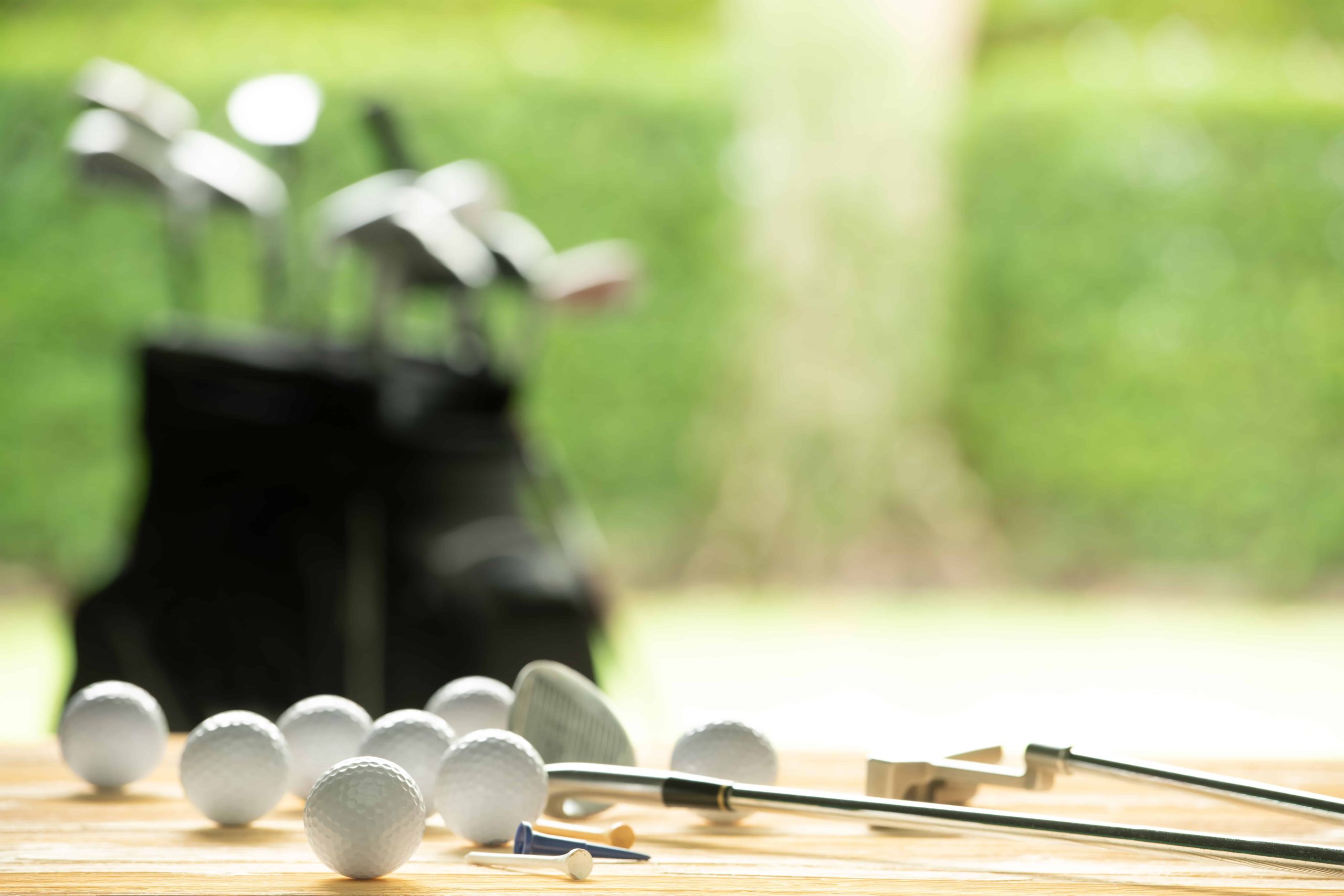
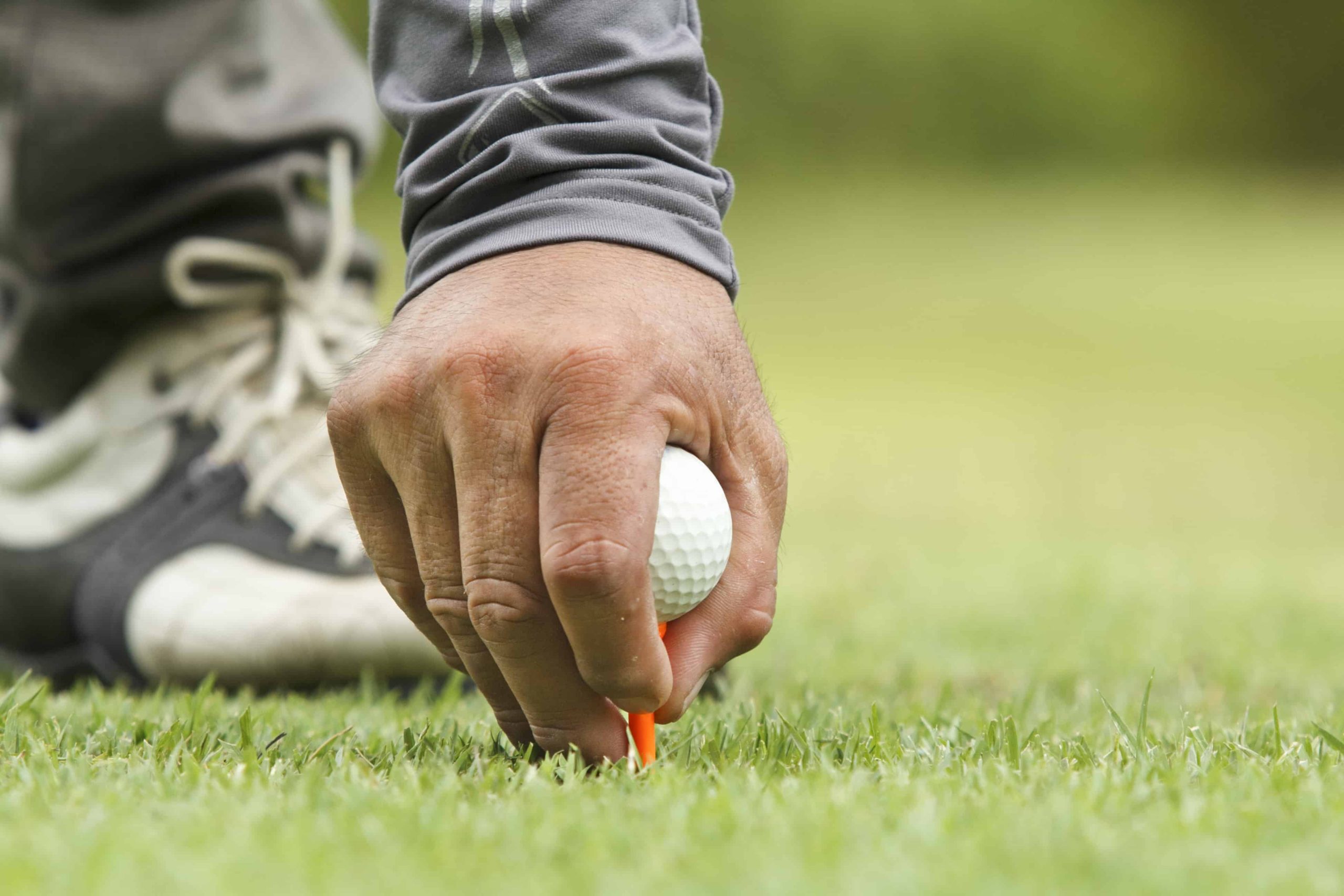
Choosing the right golf ball can have a real impact on your distance, control, and scoring. While many beginners think all golf balls are the same, they are actually designed with different layers, spin levels, and compression ratings that affect how they perform on the course.
The best golf ball for you depends on your skill level, swing speed, and playing style.
1. Start With Your Skill Level
Your experience level is the most important factor when selecting a golf ball.
Beginners / High Handicappers:
- Choose distance-focused balls
- Usually 2-piece construction
- Less spin = straighter shots
- More durable and cheaper
👉 Helps reduce slices and hooks while maximizing distance
Intermediate Golfers:
- Balanced balls (3-piece construction)
- Mix of distance and control
- Better feel around greens
Advanced / Low Handicappers:
- Multi-layer “tour” balls (3–5 layers)
- High spin for short-game control
- Soft feel and shot-shaping ability
👉 Designed for precision and scoring control
2. Understand Golf Ball Types
There are three main categories:
Distance Balls
- Maximum yardage off the tee
- Low spin (straighter shots)
- Firmer feel
👉 Best for beginners who want easy distance
Spin Control Balls
- More control on approach shots
- Higher spin around the greens
- Softer feel
👉 Ideal for improving short game accuracy
Tour / Premium Balls
- Best all-around performance
- High spin + great feel
- Used by professionals
👉 Designed for skilled players who can control spin
3. Match the Ball to Your Swing Speed
Swing speed affects how the ball performs.
Slow swing speed (under 90 mph):
- Use low-compression balls
- Easier to compress = more distance
- Softer feel
Medium swing speed (90–105 mph):
- Mid-compression balls
- Balanced distance and control
Fast swing speed (105+ mph):
- High-compression balls
- More control and stability
👉 Compression helps match energy transfer for better performance
4. Decide What Matters Most to You
Every golfer should prioritize based on their game:
If you want more distance:
- Choose low-spin, distance balls
- Straighter ball flight
- More roll after landing
If you want more control:
- Choose urethane-covered balls
- Better spin on wedges and chips
- Stops faster on greens
👉 Spin control is most important within 100 yards of the hole
5. Think About Your Short Game First
Many experts suggest starting your choice from the green backward.
Ask yourself:
- Does the ball feel good on putts?
- Does it spin enough on chips?
- Can I control short shots easily?
👉 Most strokes happen around the green, so short-game performance matters most
6. Don’t Overthink Brand Names
Big brands don’t automatically mean better performance for your game.
Instead:
- Test a few types
- Stick with one ball for consistency
- Avoid switching too often
Consistency helps you learn how the ball behaves in real conditions.
7. Simple Beginner Recommendation
If you are just starting:
- Go for 2-piece distance balls
- Choose soft or low-compression models
- Focus on durability and affordability
Examples:
- Titleist Velocity
- Callaway Supersoft
- Srixon Distance
Final Thoughts
The right golf ball is the one that matches your skill level and helps you play more consistent golf.
Simple breakdown:
- Beginners → distance + forgiveness
- Intermediate → balanced performance
- Advanced → spin + control